Walking the Old Clifden Railway Platform
A gentle 2.5-mile route following the restored platform sections with detailed restoration notes and historical context about Clifden's railway station.
Discover the Victorian-era signal boxes still standing in the Oughterard area. Learn what makes these structures special, how to identify original features, and where you'll find the three best-preserved examples on the trail.
Signal boxes aren't just old buildings — they're the nerve centres of the Victorian railway. These structures controlled everything from train movements to safety systems. Without them, trains would've collided on the tracks. You're literally walking past the machines that kept railways running.
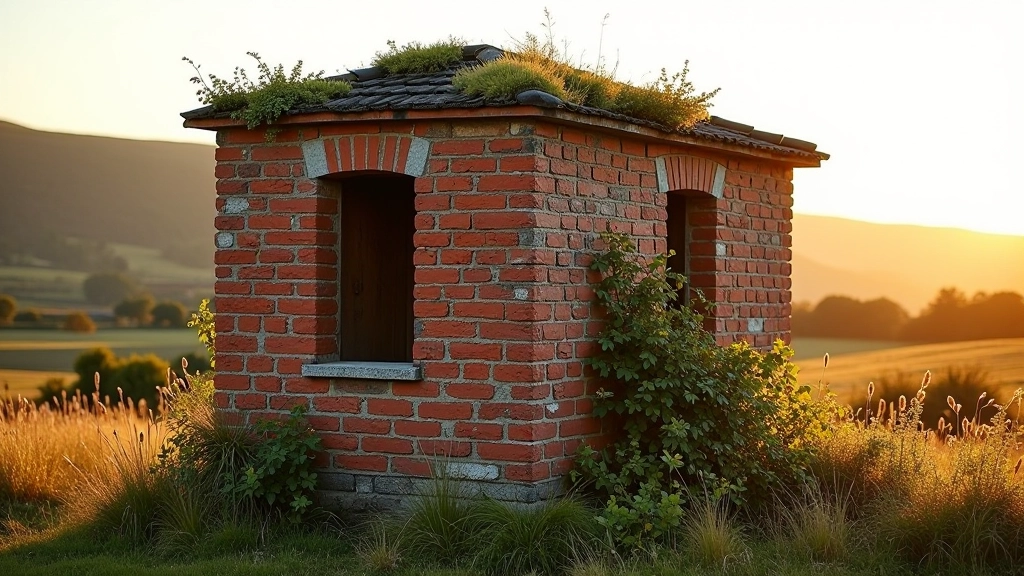
The boxes around Oughterard were built between 1890 and 1895 when the railway first connected the region. They're remarkably well-preserved considering how many decades have passed. Most still show original brickwork, window frames, and even some internal mechanisms if you can peek inside.
What we've noticed is that most walkers pass these buildings without understanding what they're looking at. You'll see a small stone structure beside the old track and think it's just a storage shed. That's the magic of this trail — learning to spot the details that tell the real story.
These telltale signs will help you spot a genuine Victorian signal box.
Victorian signal boxes had deliberately small windows positioned high on the walls. This design kept the interior cool and protected the mechanical equipment from weather. Look for these distinctive narrow openings — usually about 30cm wide.
Most signal boxes used locally-quarried stone or hand-made red bricks. The Oughterard boxes are predominantly stone with red brick accents. You'll notice the mortar is often quite thick — craftsmen didn't have modern techniques back then.
Signal boxes had just one entrance — a solid wooden or cast iron door, usually facing away from the railway line. This single-access design helped control who could enter and modified the internal layout for mechanical lever operation.
Signal boxes sit on elevated stone foundations — sometimes 1 to 1.5 metres high. This raised position gave operators a clear sightline down the tracks. You'll notice the stonework underneath is often rougher than the main walls.
Look at the roof — most original signal boxes have ventilation openings or distinctive slate tiles. These allowed heat from the mechanical equipment to escape. Some boxes still show the original cast iron ventilation caps.
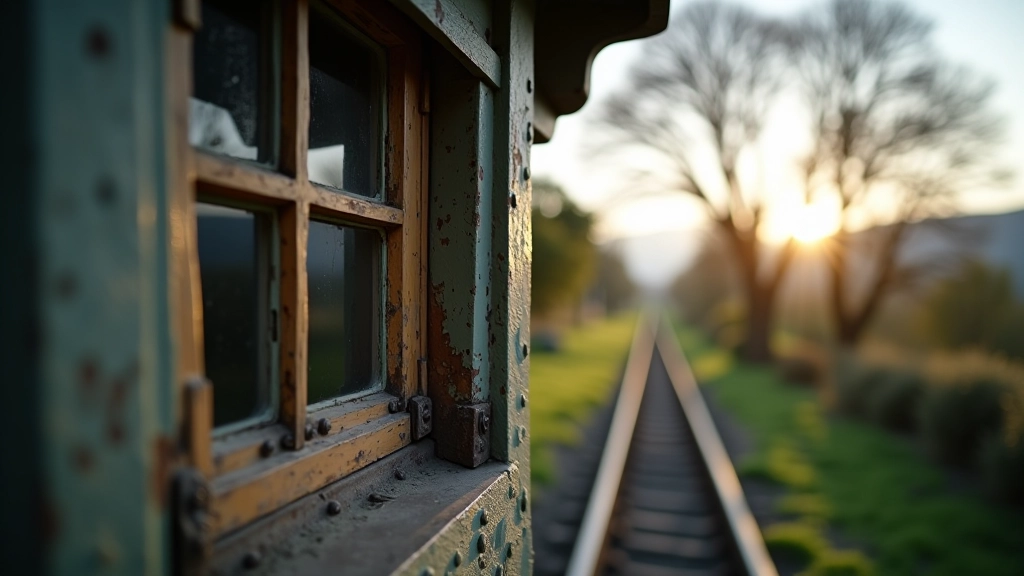
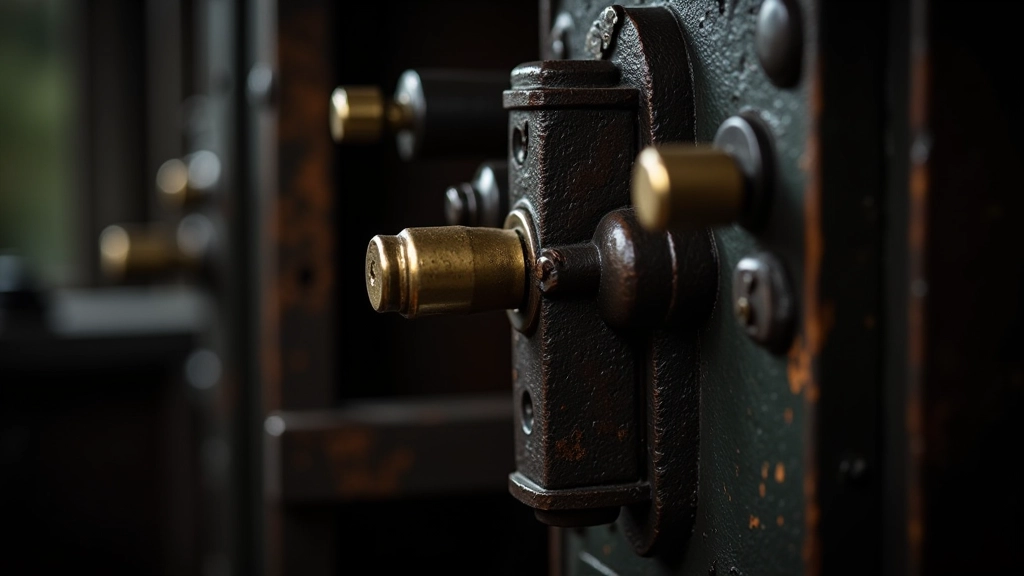
Decorative and functional ironwork is everywhere on signal boxes. Look for cast iron brackets supporting the roof overhang, heavy iron hinges on doors, and metal reinforcement strips. These details are still visible on the Oughterard boxes.
Inside a Victorian signal box, you'd find rows of mechanical levers — sometimes 20 or 30 of them. Each lever controlled a specific track switch or signal. Operators pulled these levers by hand to direct trains, set routes, and prevent collisions. It was entirely mechanical — no electricity involved initially.
The clever part? The levers were interconnected through a system of rods, pulleys, and mechanical locks. This meant operators couldn't accidentally create an unsafe track configuration. If you pulled one lever that conflicted with another, the mechanical system physically prevented the movement. It's pure engineering genius from the 1890s.
The Oughterard boxes would've operated roughly every 15 minutes during busy periods. A single operator — usually a skilled railway employee who'd trained for months — controlled train movements for miles in both directions. On the trail, you'll sometimes spot brass plaques showing the box's original name and operational dates.
If you find a signal box with an open door or accessible interior, look for the lever frame — a tall structure with rows of mechanical levers. Even if mechanisms are missing, the frame itself tells you the story of how complex these operations were.
Here's where you'll find the most impressive examples on the heritage trail.
Distance from start: 0.8km
This is the trail's most impressive structure. The original red brick and stone construction is almost completely intact. You'll notice the substantial raised platform — it's about 1.2 metres high. The window frames are original cast iron, and the roof still has its distinctive slate tiles. The door's wooden frame shows replacement work, but the stone archway around it is authentic 1890s construction.
Worth seeing: The brass plaque on the eastern wall shows the original operator names and shift schedules.
Distance from start: 2.3km
Smaller than the main station box but beautifully detailed. This structure's real strength is the ironwork — look closely at the roof brackets and the ventilation caps. They're still functional cast iron pieces from the 1890s. The walls show some weathering and moss growth, but that's normal for 130-year-old buildings. The interior is partially visible through the windows if you approach carefully.
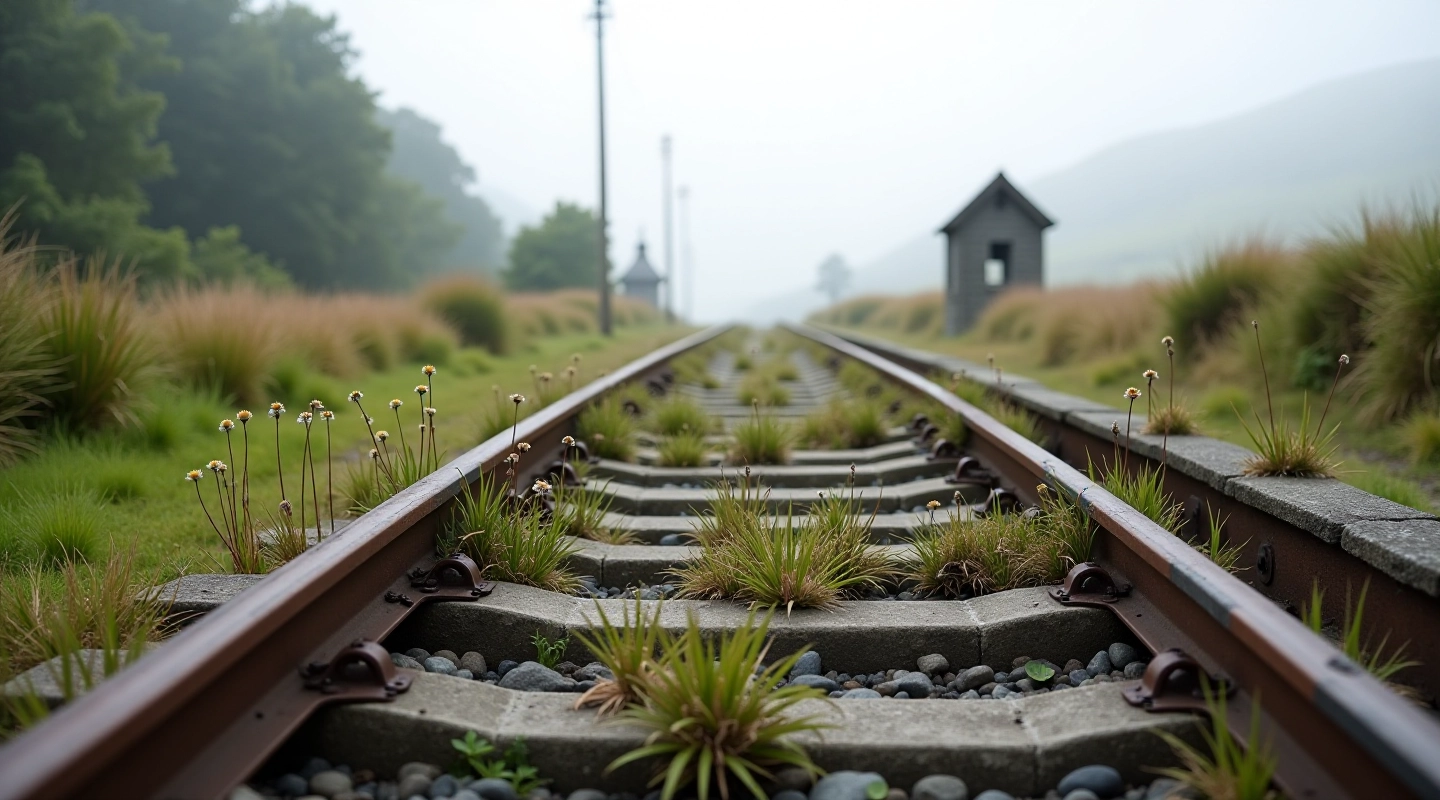
Worth seeing: The original track bed is still visible running past this box — you can see where trains actually ran.
Distance from start: 4.2km
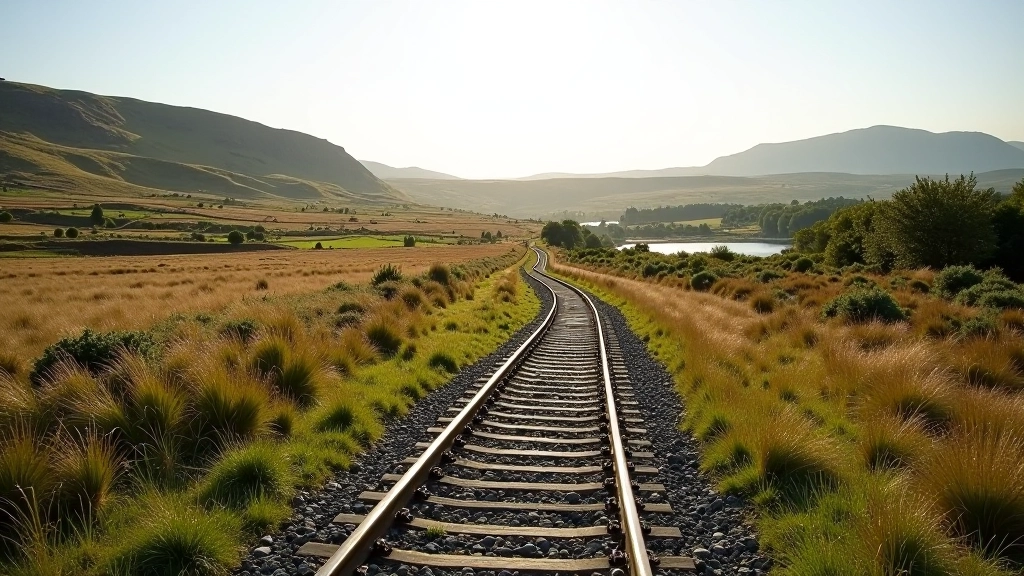
The most remote box on the trail, positioned where the old railway made a sharp loop. This one's trickier to access — you'll need to walk through a field with permission from the landowner. But it's worth it. The structure is remarkably intact, and you get a genuine sense of how isolated these operator positions were. The surrounding landscape hasn't changed much since 1895.
Worth seeing: From here, you can see the curve of the old railway line stretching in both directions — the exact view an operator would've had.
This article is an informational resource designed to help you understand the historical significance and architectural features of Victorian-era signal boxes. The information provided is based on historical railway documentation and architectural observations of structures in the Oughterard area.
Before visiting any of these locations, always check with local landowners for access permission. Some signal boxes sit on private property. The heritage trail information reflects conditions as of 2026 — structures may change due to weather, maintenance, or other factors. Bring appropriate footwear and weather gear regardless of season. This is general educational content, not professional archaeological or engineering assessment.
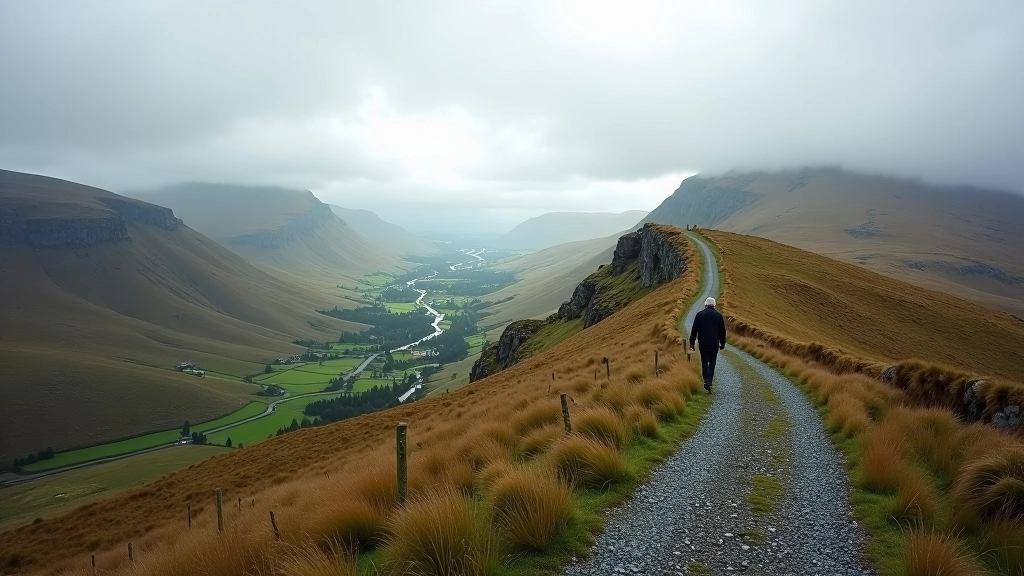
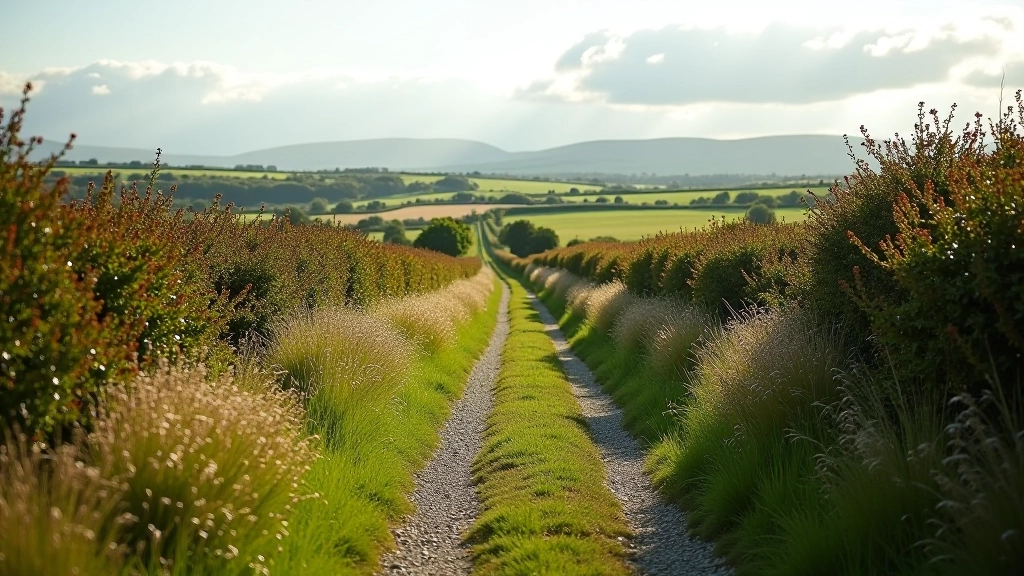
The full trail is about 4.2 kilometres — roughly 50 minutes of walking at a comfortable pace. It's not strenuous, but the ground is uneven in places. Bring sturdy shoes. The trail's mostly level, following the old railway bed, but you'll encounter sections where the track has settled unevenly over the decades.
Bring binoculars if you have them. Signal box windows are often high up, and binoculars let you see interior details without needing to get right up against the structures. A camera with a decent zoom lens works too.
The trail doesn't have facilities — no toilets or shops once you leave Oughterard village. Bring water and snacks. Signal boxes don't provide shelter, so if weather turns rough, you're exposed. Plan for this. Early morning or late afternoon light is best for photography — the low angle really picks out the stonework details.
Best time to visit is May through September. Winter brings wet conditions that make the old track bed slippery. Spring growth can obscure some of the lower stonework details, but autumn gives you clear views with good light.

This trail is just one way to experience Galway's abandoned railway history. We've got detailed guides for other routes, accessibility information, and practical tips for senior walkers.
Browse All Railway Walks
Written by
Editorial Team
Written by the Railway Routes editorial team, focused on honest, accessible walking guides for seniors in Galway.