
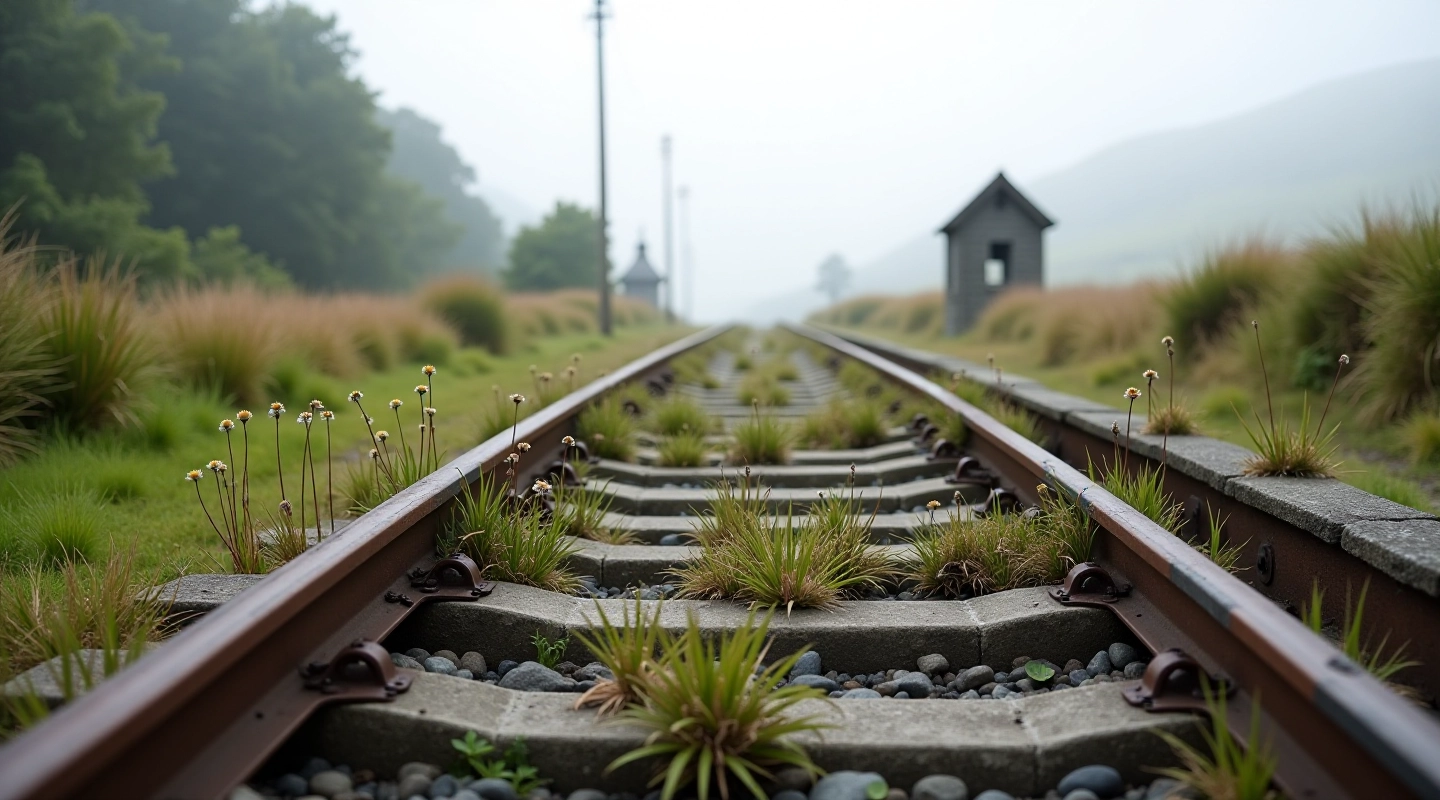
Walking the Old Clifden Railway Platform
A gentle 2.5-mile route following the restored platform sections with detailed rest points and heritage information along the way.
Read GuidePractical tips for seniors: surface conditions, weather considerations, rest spot locations, and how to prepare for walks on restored railway routes in all seasons.
You don't need to be an experienced hiker to enjoy these restored routes. We've gathered everything you need to know about staying safe, choosing the right gear, and finding the perfect pace for your walk.
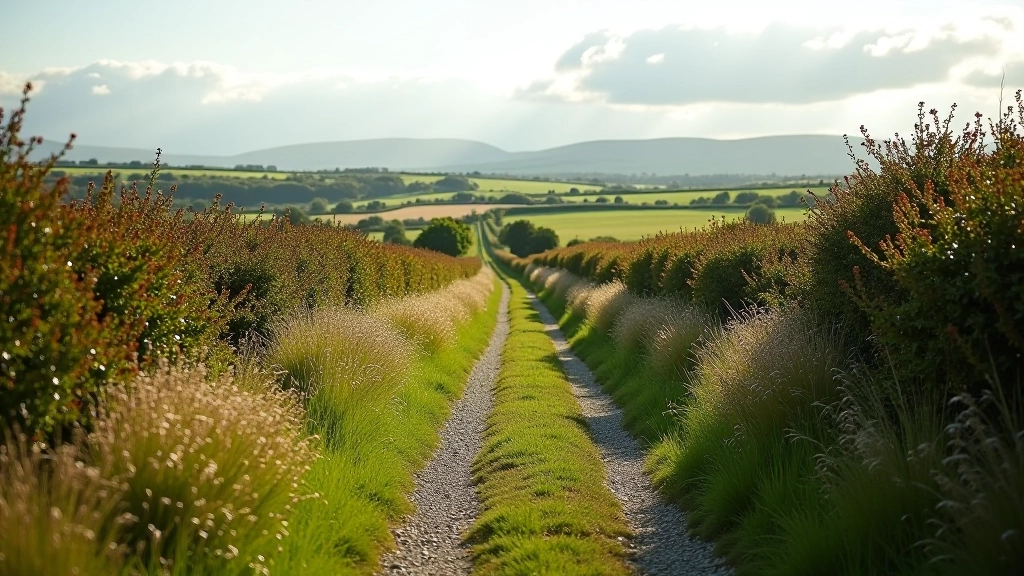
Walking on old railway lines isn't like climbing hills. The routes follow gentle grades built for trains, which means you're rarely dealing with steep climbs. Plus, the paths are usually well-maintained now — local heritage groups have done serious work restoring sections throughout Galway.
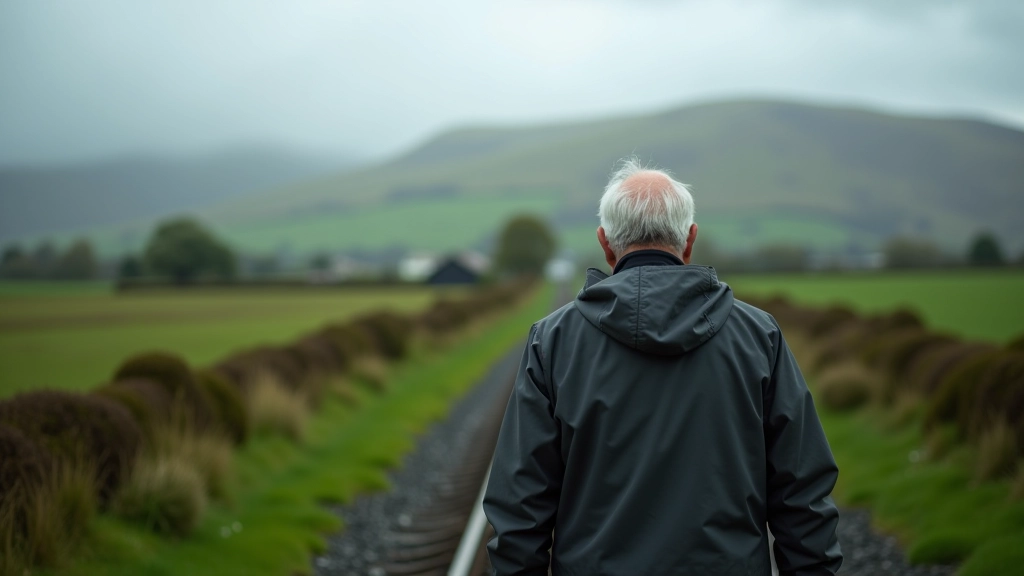
What we're seeing is that seniors actually prefer these walks. There's something about following a historic route that keeps people engaged. You're not just moving through space — you're moving through history. And because the terrain's predictable, you can focus on pace rather than worrying about loose rocks or sudden drops.
Compacted gravel and packed earth — no hidden obstacles
Historic grades designed for steam locomotives, not hikers
Original stations, signal boxes, and heritage markers along the way

The walking surface depends on which section you're on. Most of the restored routes use compacted gravel — it's stable and won't twist your ankle. Some older sections have packed earth that can get muddy after rain. You'll occasionally hit sections with original ballast stone, which is rougher underfoot but still walkable if you're taking your time.
Here's what matters: look at the surface before you commit to a full walk. Spend the first 10-15 minutes assessing how it feels under your feet. If your knees aren't happy on the gravel, you've got time to turn back before you're too far out. Don't push through discomfort thinking it'll improve — it won't.
Galway's weather changes fast. You might start your walk in weak sunshine and finish in drizzle. The railway routes don't offer much shelter once you're out there — a few scattered trees but mostly open path. This matters more than you'd think, especially for anyone managing arthritis or joint stiffness.
Spring and early summer (April–June) are genuinely the best months. The ground's dry, daylight extends to around 9 PM, and you're not dealing with the winter wind tunnels. Autumn (September–October) works too if you don't mind layers. Winter walks are possible but require extra caution — paths can get icy in shaded sections, and daylight runs out by 4 PM.
Optimal conditions. Dry paths, extended daylight, mild temperatures.
Good conditions. Watch for wet leaves on the path. Shorter days.
Challenging. Limited daylight, potential frost on shaded sections.
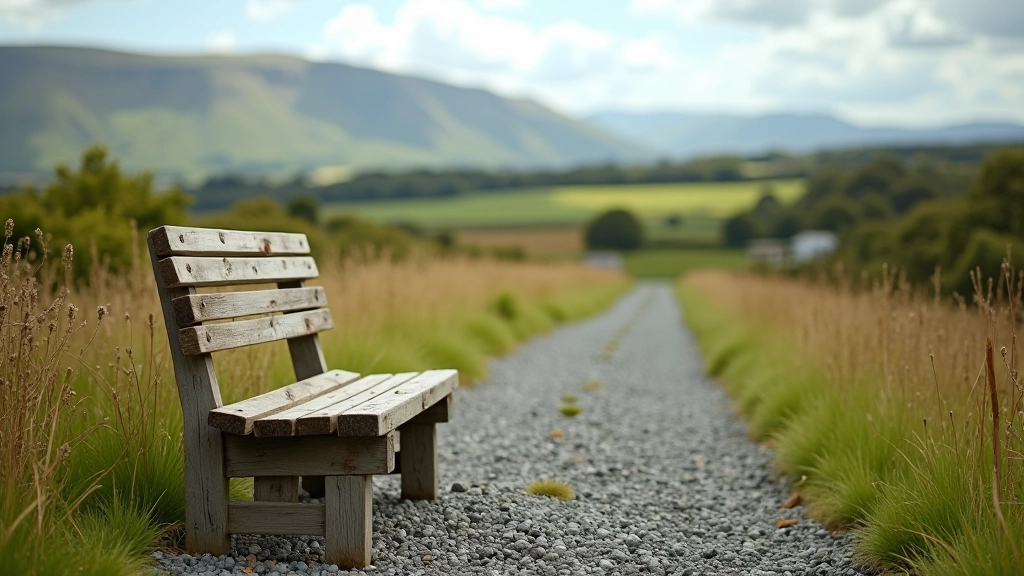
You need to know where you can actually sit down. The heritage groups have installed benches at reasonable intervals — roughly every 800–1000 meters on the main routes. That's about 10–12 minutes of walking for most people at a comfortable pace. But don't assume every bench is available. Some are shaded under trees, which is nice in summer but means they're damp in spring. Others face the open path with nothing to shield you from wind.
Plan your walk in sections. Instead of thinking "I'm doing 5 miles," think "I'm walking to the next bench, resting 5 minutes, then deciding if I continue." This approach works because you're not locked into a fixed distance. You're giving yourself permission to turn back without feeling like you've failed. Most people end up walking further this way because the pressure's off.
Pro tip: Bring a lightweight camping mat or small cushion. Railway benches aren't always comfortable for sitting longer than 5 minutes, especially if you've got lower back sensitivity.
This guide provides educational information about walking conditions on restored railway routes in Galway. It's not medical advice or professional assessment. Before attempting any of these walks, especially if you have mobility concerns, balance issues, or existing health conditions, consult your doctor or a physiotherapist. Weather conditions change rapidly — always check forecasts and assess conditions on the day. The routes described here are based on conditions as of July 2026. Trail conditions, accessibility features, and facilities can change. Contact local heritage groups for current information before planning your visit.
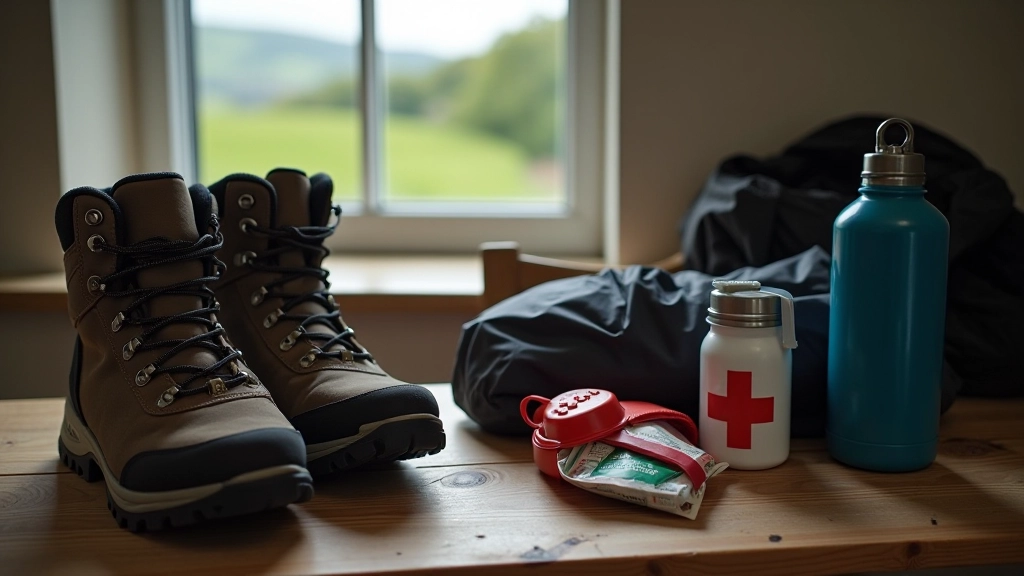
You don't need fancy hiking equipment for railway walks. What you need is practical. Good footwear matters most — shoes with actual ankle support and a decent tread pattern. You're not climbing mountains, so you don't need expensive hiking boots. A pair of trail shoes or sturdy walking shoes does the job. The key is breaking them in before you hit the path. Blisters aren't a minor annoyance on a 3-mile walk when you're 5 kilometers from your car.
Bring layers. Seriously. You might start the walk in a t-shirt and finish wishing you'd worn a fleece. A lightweight windproof layer takes almost no pack space and makes the difference between a pleasant walk and a frustrating one. Water's non-negotiable — at least 1.5 liters. There aren't many places to refill along these routes. And a small first aid kit with blister treatment, pain relief, and basic plasters is worth the weight.
Proper footwear with ankle support and good tread
Lightweight windproof layer and extra clothing layers
Minimum 1.5 liters of water in a comfortable pack
Small first aid kit with blister treatments and pain relief
Walking poles if you've got knee concerns — they genuinely help

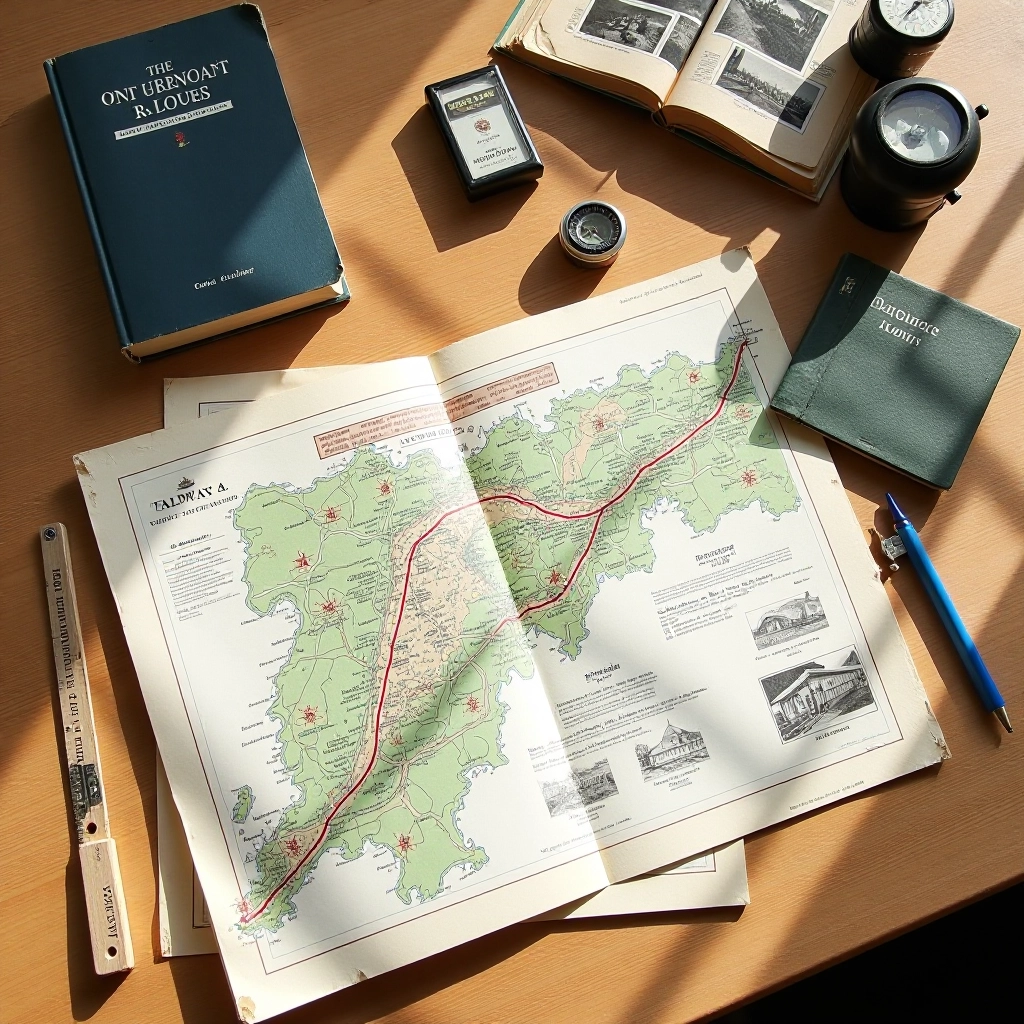
Start by downloading the route on your phone. There's no cell service on most sections, so offline maps are essential. Mark your turning-back point before you leave home. That sounds cautious, but it's actually liberating. You're not trying to hit a specific distance — you're trying to have a good walk and get back safely. If you've decided you'll walk to kilometer 3 and back, that's 6 kilometers total. Done. No second-guessing, no pushing through tired legs.
Tell someone where you're going. It doesn't have to be complicated. A text to a friend saying "Walking the Clifden route today, should be back by 4 PM" is enough. And set a realistic pace. Most people walk at 4–5 kilometers per hour on flat terrain. On railway paths with occasional rough sections, you're probably looking at 3–4 kilometers per hour if you're taking it steady. That means a 6-kilometer walk takes about 1.5–2 hours including rest stops.
Editorial Team
Written by the Railway Routes editorial team, focused on honest, accessible walking guides for seniors in Galway.
Discover other accessible walks on restored railway lines across Galway
A gentle 2.5-mile route following the restored platform sections with detailed rest points and heritage information along the way.
Read Guide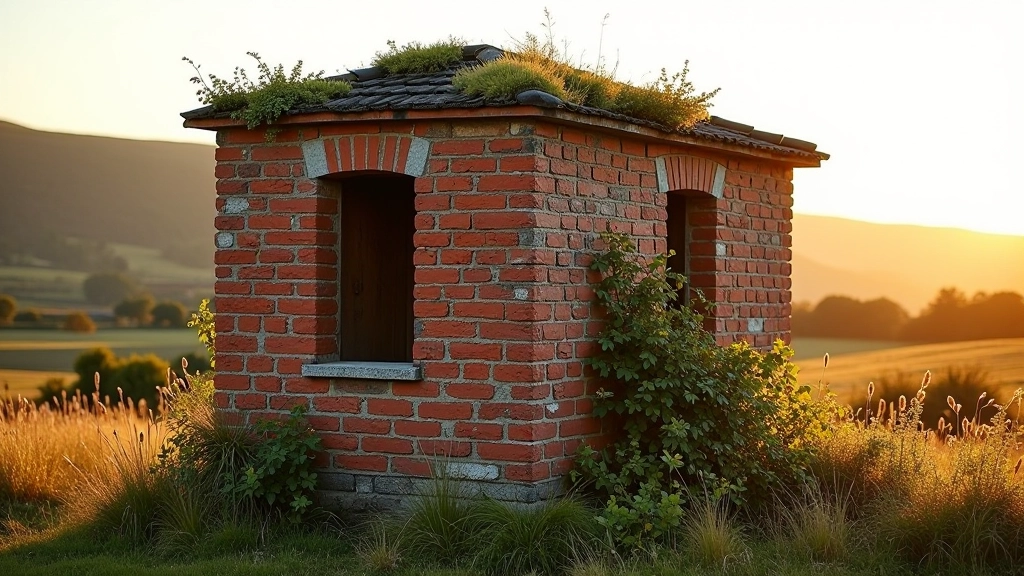
Guide to identifying original signal box features, understanding Victorian railway design, and discovering heritage markers throughout Galway.
Read Guide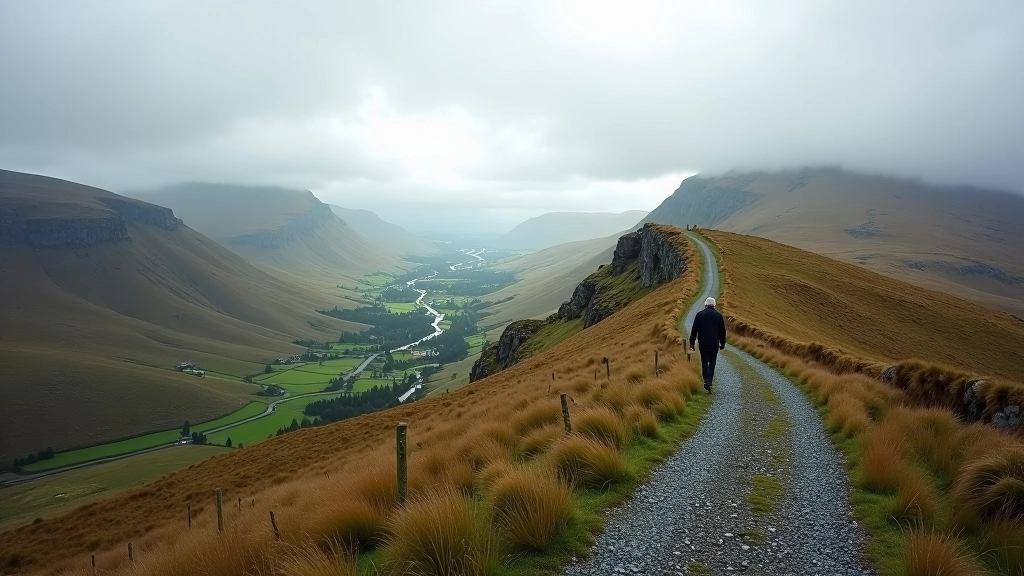
The scenic Sky Road offers breathtaking views across Connemara. This guide covers accessibility, pacing, and the best viewpoint stops.
Read GuideYou don't need to have a dramatic goal. Walking these routes isn't about conquering distance — it's about spending time outdoors at a pace that feels good. Pick a section close to town, plan for 45 minutes of actual walking, and see how it goes. You'll learn a lot in that time about what works for your body, what gear you actually use, and which routes suit you.
Most people who try a railway walk once come back again. The combination of manageable terrain, interesting surroundings, and built-in rest points creates something that works. And honestly, there's something about walking a route that carried trains 100 years ago. It's a connection to place that doesn't require anything except showing up.