
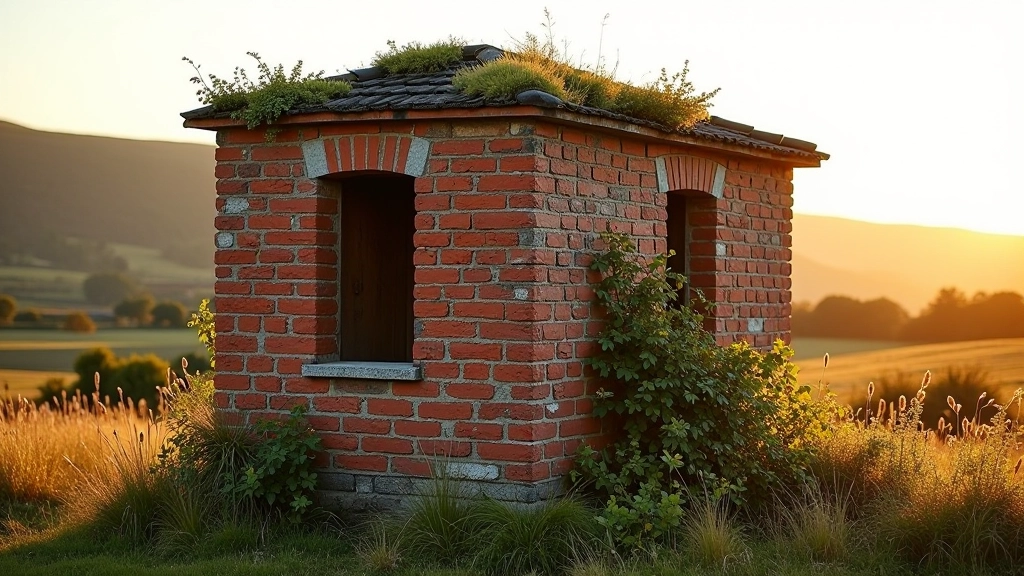
Signal Box Heritage Trail & What to Look For
Guide to identifying original signal box features, understanding Victorian railway engineering, and exploring preserved structures.
Read GuideA gentle 2.5-mile route following the restored platform sections with detailed rest points and historical information plaques along the way.
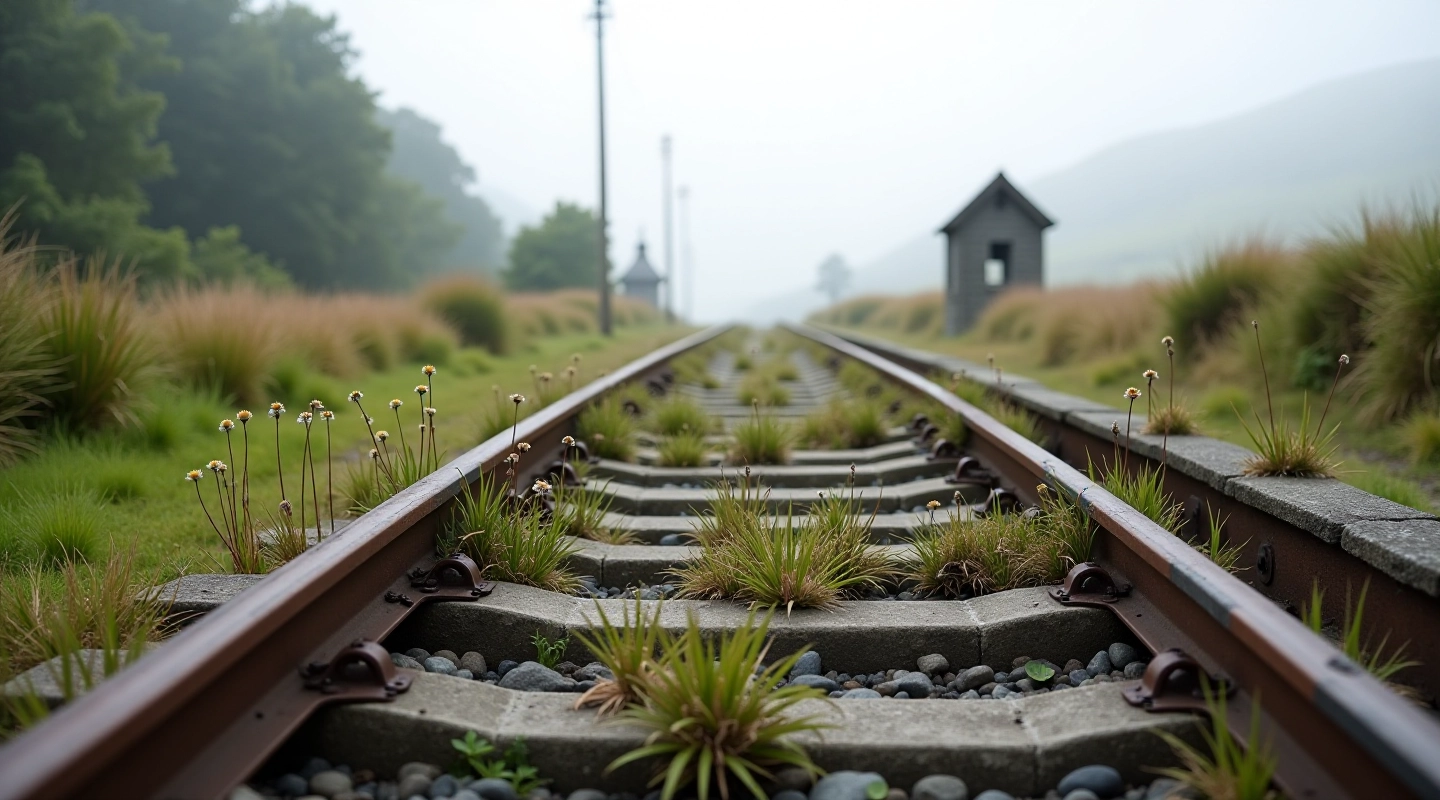
The Clifden railway closed in 1935, but the platform remains one of Ireland's most accessible heritage walks. You'll find restored sections with original stonework, metal railings, and informational plaques that tell the story of how this line shaped Connemara. What makes it special? The route's been carefully maintained for walkers. It's not a scramble through overgrown brush — you're walking on actual platform surfaces that've been there for nearly a century.
The 2.5-mile loop takes between 60–90 minutes depending on how many stops you make. Most people find the pace comfortable, with multiple rest benches positioned at natural viewpoints. We've detailed every practical consideration — surface conditions, elevation changes, access points, and what you'll actually see when you get there.
Starting from the main car park near Clifden town centre, you'll head towards the old station building. The structure's been partially restored — you can still see the ticket office window and station master's room. From there, the platform extends northward for roughly 800 metres in its most intact section.
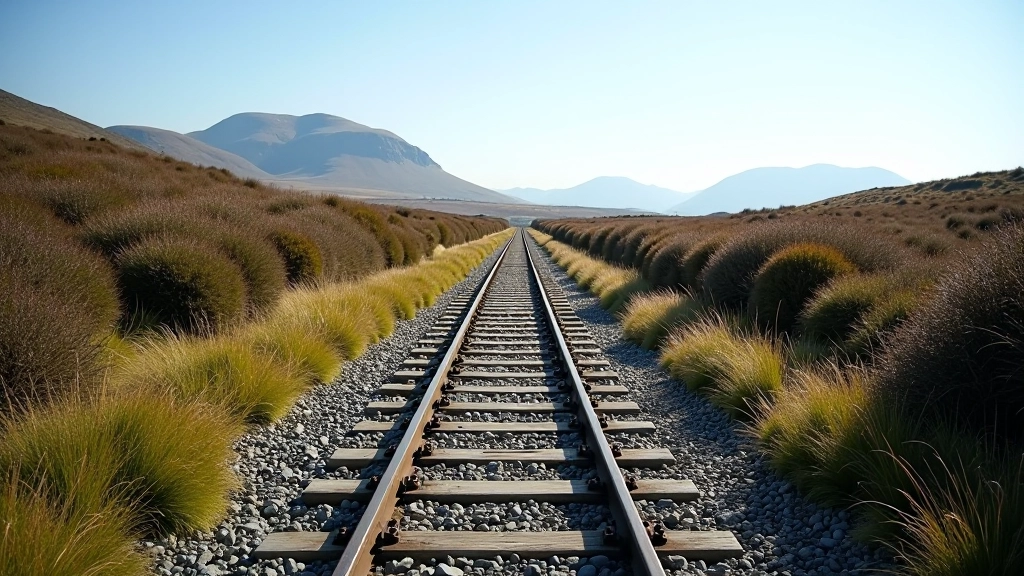
The surface is mostly compacted stone and gravel. There's one section with minor tree roots — nothing dangerous, just watch your footing. The platform sits about 2 metres above the surrounding ground level, so you get genuine views across the Connemara landscape. On clear days, you'll spot the Twelve Bens mountain range.
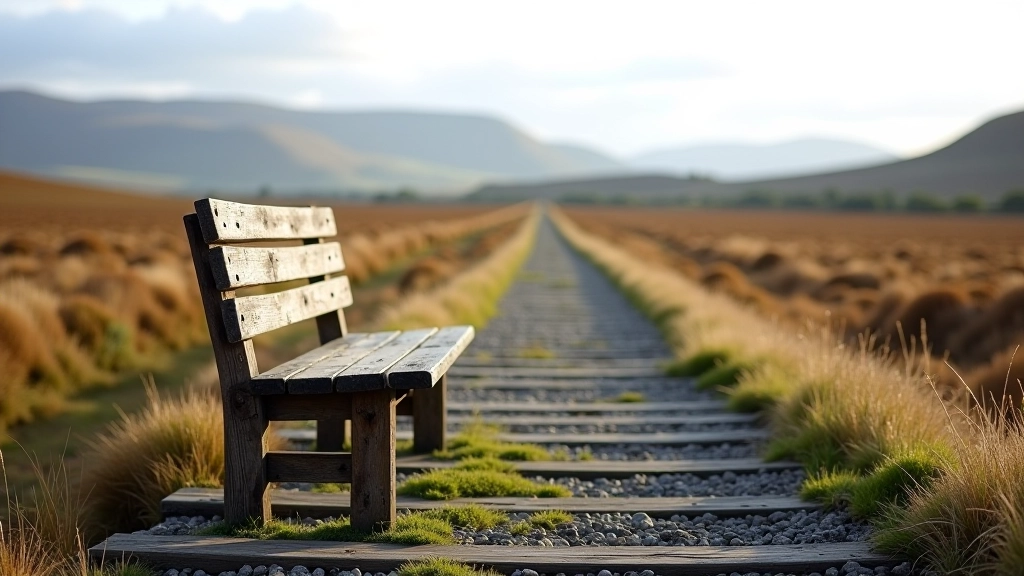
There are four designated rest areas along the platform. Each one's got a solid bench — not the rickety sort. They're positioned at natural stopping points where the views are worth lingering for. The first bench sits roughly 20 minutes into the walk. It's positioned where you can see back towards Clifden and out across the valley.
The information plaques are genuinely interesting. They're not just generic "railway heritage" signs. You'll learn specifics: when different sections were built, how many trains ran daily in the 1920s, what goods came through here. One plaque details the daily schedule from 1930 — trains to Galway, milk runs to Dublin. It makes the place feel less abandoned and more like a snapshot of working history.
There's no water supply on the platform itself. You'll want to bring a bottle. No toilets either — use facilities in Clifden town before starting. Mobile signal's decent throughout, so that's not a concern.
While the platform's well-maintained, it's still an outdoor heritage site. After rain, surfaces become slippery. Tree roots protrude in one section (marked on site). The platform edge isn't fenced — stay aware of the drop on both sides. We've written this guide based on current conditions (July 2026), but weather and maintenance change seasonally. Always check local visitor information before heading out, especially in winter months when surfaces can be icy.
Getting there's straightforward. The main car park is on the outskirts of Clifden, clearly signposted from the town centre. Parking's free and there's space for about 15 vehicles. If it's full (rare unless it's a bank holiday), there's overflow parking 200 metres away near the visitor centre.
Bring decent footwear — trainers are fine, but walking boots are better. The gravel can shift underfoot in places. A light windproof jacket is worth having even on sunny days; Connemara's weather changes fast. Sunscreen too. You're walking exposed moorland, so there's minimal shade for the first 30 minutes.
The walk's suitable for most fitness levels. We've seen people in their 70s complete it comfortably, taking longer to enjoy the plaques and views. Kids generally do well here — there's something about walking on old railway platforms that captures their imagination.
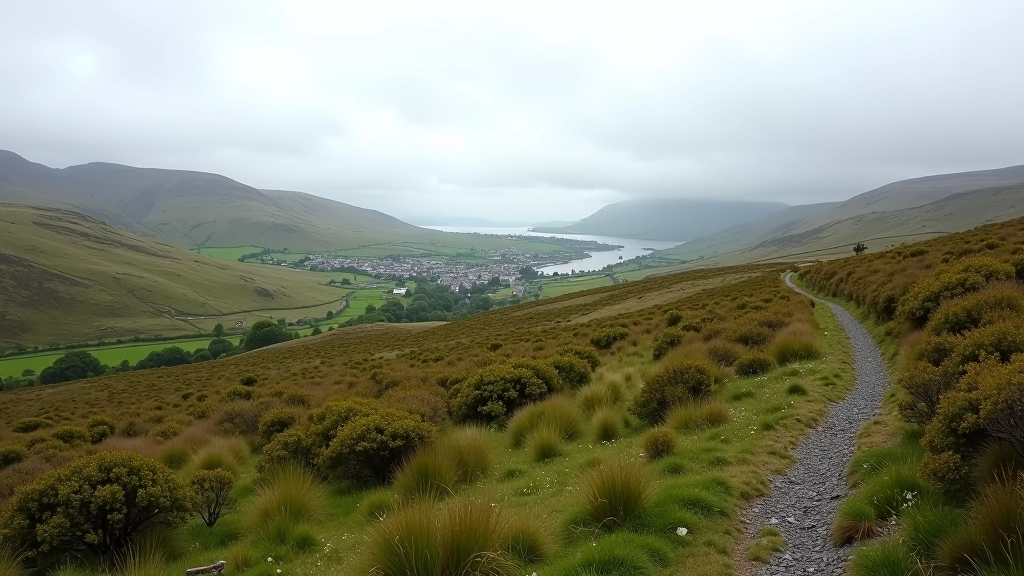

Spring (April–May) and autumn (September–October) are ideal. You'll get longer daylight, comfortable temperatures, and fewer midges. Summer's fine too, though July and August can be busy. The platform doesn't get swamped like coastal tourist spots, but you might see other groups.
Winter walks are possible but require planning. Frost can make surfaces treacherous, particularly in December and January. If you're visiting then, go mid-morning when any ice has started to melt. The light's beautiful in winter — low angle sun across the platform — but daylight's limited. You'll need to start by 10 a.m. to finish comfortably before dusk.
Rain doesn't stop this walk — just adjust expectations. The views close in, surfaces get muddy, and you'll move slower. But there's something atmospheric about a quiet railway platform in the mist. Just bring waterproofs and accept you'll get wet.
Written by
Editorial Team
Written by the Railway Routes editorial team, focused on honest, accessible walking guides for seniors in Galway.
Continue discovering Galway's railway heritage and scenic walks
Guide to identifying original signal box features, understanding Victorian railway engineering, and exploring preserved structures.
Read Guide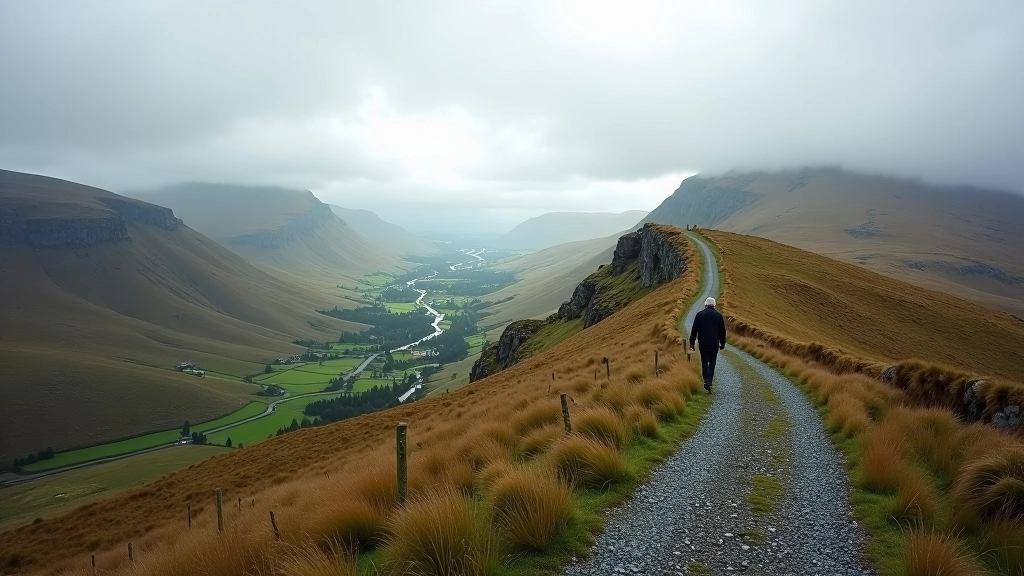
The scenic Sky Road offers breathtaking views across Connemara. This guide covers routes, viewpoints, and practical access information.
Read Guide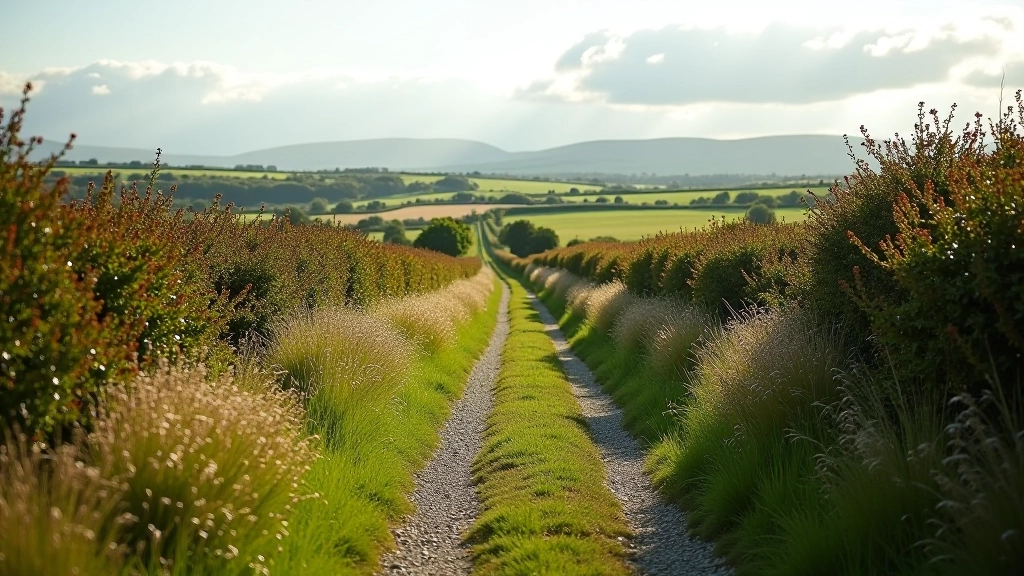
Practical tips for seniors: surface conditions, weather considerations, rest spots, and accessibility details for railway heritage walks.
Read GuideThe Clifden railway platform isn't a dramatic landscape destination — it won't take your breath away with sheer cliffs or hidden waterfalls. What it does offer is genuine heritage and a quiet place to walk at your own pace. You're literally walking on history. The stones under your feet carried trains and passengers for decades. The plaques tell real stories about how transport shaped this region.
That's why this walk matters. It's accessible, it's thoughtful, and it doesn't pretend to be something it's not. You'll spend 90 minutes on restored Victorian engineering, surrounded by Connemara moorland, with plenty of places to stop and breathe. That's enough. Come prepared, take your time, and don't rush the information plaques — they're worth reading properly.